Source vegan waterproof lash adhesive for salons, studios, and home use
Compare 30 listings of vegan waterproof lash adhesive from verified suppliers. Buyers can evaluate features like drying time, volume, and lasting duration to find the right adhesive for professional or personal application.
Key considerations
Products List







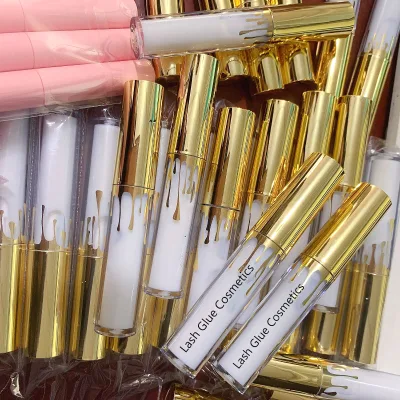
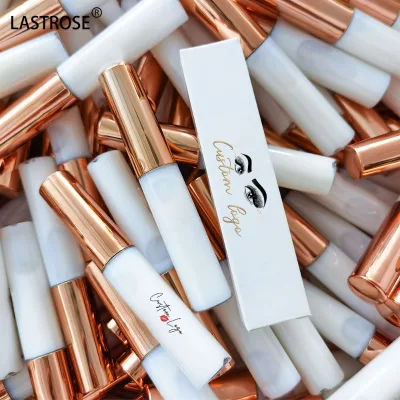
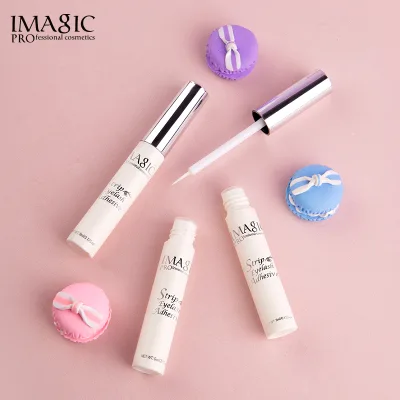
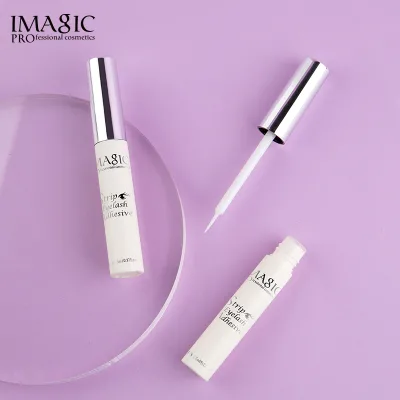
Comprehensive Sourcing Guide
Vegan Waterproof Lash Adhesive Sourcing Guide
Sourcing vegan and waterproof lash adhesive requires a careful balance between ethical formulation standards and high-performance bonding capabilities. Buyers must navigate a market where "vegan" implies the absence of animal-derived ingredients like beeswax or lanolin, while "waterproof" demands specific chemical structures that resist moisture without compromising the delicate eye area. The observed product landscape includes items explicitly labeled as vegan, cruelty-free, and plant-based, often utilizing squalane as a key ingredient. Simultaneously, listings highlight waterproof features and fast-drying properties, indicating that modern formulations can meet both ethical and functional demands. Procurement teams should prioritize suppliers who transparently disclose their ingredient lists, ensuring that the adhesive is free from common irritants such as formaldehyde, parabens, and hydroquinone, which are frequently cited in high-quality product descriptions.
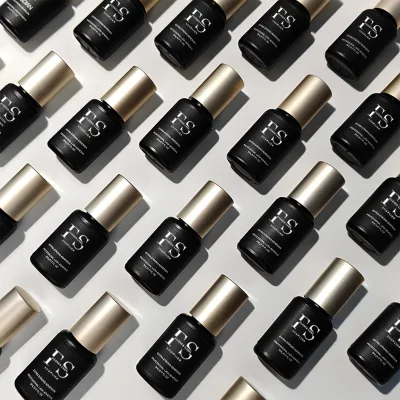
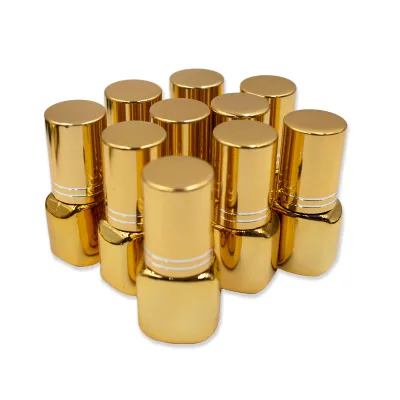
The commercial reality of this category is defined by a wide range of volume options and customization possibilities. Observed data indicates that products are available in small volumes, such as 3ml, 5ml, and 10ml, catering to both individual artists and large-scale salons. The presence of customization options for packaging and color suggests that branding plays a significant role in the final product offering. Buyers should note that while some products are described as having a "smellless" or low-fume profile, others may have distinct odors, making sensory verification crucial during sampling. The distinction between clear, black, brown, and pink adhesives allows for versatility in application, particularly for clients with varying lash colors. Understanding these variations is essential for selecting the right product mix that aligns with target customer preferences and usage scenarios.
Product Scope and Observed Listing Signals
The current market for lash adhesives presents a diverse array of product attributes that buyers must interpret with caution. Listings frequently mention certifications such as MSDS, which provides critical safety data, and some products claim ISO compliance, although the specific standard is not always detailed. The observed price range of $0.7 to $6.5 USD reflects significant variation in quality, volume, and brand positioning. Buyers should recognize that lower prices may correlate with smaller volumes or less stringent quality controls, while higher prices might reflect premium ingredients like plant-based squalane or specialized packaging. The minimum order quantity (MOQ) ranges from 1 piece to 1000 pieces, offering flexibility for small businesses and larger distributors alike. This variability allows buyers to test the market with low-risk orders before committing to larger volumes.
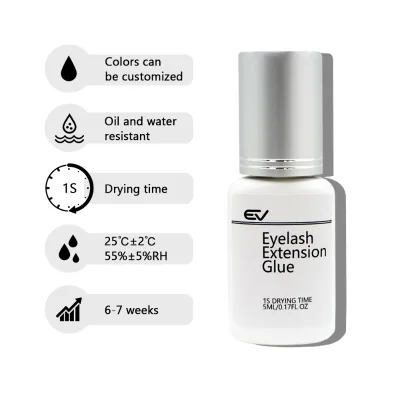
Key product features observed in the market include fast drying times, often cited as 1-2 seconds, and lasting effects ranging from 6 to 9 weeks. These performance metrics are critical for client satisfaction and retention. The material composition is another vital signal, with many products emphasizing being latex-free, alcohol-free, and free from harmful chemicals like PMMA and ethyl cyanoacrylate, although some listings do mention ethyl cyanoacrylate as a component. This apparent contradiction highlights the need for buyers to verify the exact chemical composition, as ethyl cyanoacrylate is a common base for cyanoacrylate adhesives, but its purity and concentration can vary. The presence of "smellless" or low-fume attributes is a strong indicator of higher quality, as strong odors can cause discomfort for both the technician and the client. Buyers should prioritize products that explicitly state their low-fume characteristics and provide detailed safety data sheets.
Technical Specifications to Verify
Technical verification of lash adhesive begins with understanding the physical and chemical properties that affect application and durability. Buyers should request detailed specifications regarding viscosity, which influences how easily the glue can be applied and how quickly it sets. Observed data indicates a "middle" viscosity range, which is often preferred for its balance between control and speed. The dry time is another critical parameter, with many products claiming a rapid set time of 1-2 seconds. This fast-drying feature is essential for efficient service delivery, but it must be balanced with the adhesive's ability to form a strong bond. Buyers should verify these claims through practical testing, as performance can vary based on humidity, temperature, and individual lash characteristics. The lasting time, reported as 6-9 weeks, is a key performance indicator that should be validated through real-world usage scenarios.
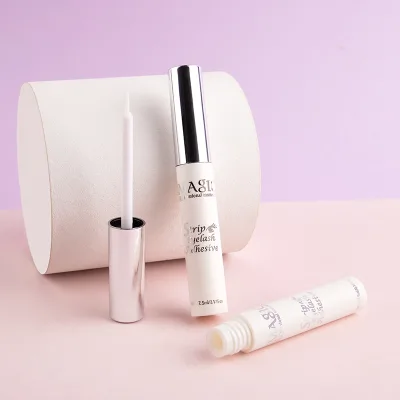
Packaging and volume specifications are equally important for operational efficiency and product stability. The observed product models include various volumes, such as 3ml, 5ml, and 10ml, with packaging options ranging from bottles to boxes and cartons. The single package size is often compact, measuring around 2x1.2x5.2 cm, which facilitates storage and shipping. Buyers should verify the integrity of the packaging to ensure that the adhesive remains stable and does not degrade before use. The color options, including clear, black, brown, and pink, allow for customization based on client preferences. Additionally, the form of the product is consistently liquid, which is standard for lash adhesives. Buyers should also check for specific model numbers, such as "laver lash" or "eyelash glue1," to ensure consistency in future orders and to facilitate accurate reordering.
Compliance and Safety Documentation
Compliance and safety are non-negotiable aspects of sourcing lash adhesives, given the sensitive nature of the product's application near the eyes. Buyers must ensure that suppliers provide comprehensive safety data sheets (SDS) or material safety data sheets (MSDS) for all products. The observed listings mention MSDS certification, which is a baseline requirement for chemical products. However, buyers should go beyond this by verifying that the product is free from known irritants and harmful substances. Many high-quality products are explicitly labeled as formaldehyde-free, paraben-free, and hydroquinone-free, which are critical for minimizing the risk of allergic reactions or long-term health issues. The presence of plant-based ingredients, such as squalane, and the claim of being vegan and cruelty-free are additional safety and ethical markers that buyers should look for.
Regulatory compliance extends beyond safety data to include manufacturing standards and origin verification. The observed products originate from various locations, including Korea, China, and specifically Shenzhen and Shandong. Buyers should verify that the manufacturing facilities adhere to recognized quality standards, such as ISO, although the specific standard is not always detailed in the listings. The mention of CE certification in the background data suggests that some products may comply with European safety standards, but buyers should request official documentation to confirm this. Additionally, the claim of being "latex-free" is important for clients with latex allergies, and buyers should ensure that this claim is substantiated by the supplier. Transparency in ingredient disclosure is paramount, and buyers should avoid suppliers who are vague about their formulation or unwilling to provide detailed safety information.
Cost Drivers and Commercial Terms
Understanding the cost drivers in the lash adhesive market is essential for effective budgeting and negotiation. The observed price range of $0.7 to $6.5 USD is influenced by several factors, including the volume of the product, the quality of ingredients, and the level of customization. Products with premium ingredients, such as plant-based squalane and vegan formulations, tend to be priced higher than basic alternatives. The volume of the product also plays a significant role, with larger volumes like 10ml offering better value per milliliter compared to smaller 3ml or 5ml options. Buyers should consider the total cost of ownership, including shipping and handling, when evaluating price points. The availability of customization for packaging and color can also impact the final cost, as these services often incur additional fees.
Commercial terms, including minimum order quantities (MOQ) and payment terms, vary widely among suppliers. The observed MOQ ranges from 1 piece to 1000 pieces, providing flexibility for businesses of all sizes. Small MOQs are ideal for testing new products or for small-scale operations, while larger MOQs may offer better pricing for established businesses. Buyers should negotiate terms that align with their cash flow and inventory management strategies. Additionally, the lead time for production and delivery is a critical factor, although specific lead times are not detailed in the observed data. Buyers should establish clear expectations with suppliers regarding production schedules and delivery timelines to avoid disruptions in their supply chain. Understanding these commercial dynamics allows buyers to make informed decisions that balance cost, quality, and operational efficiency.
Supplier Qualification and Quality Control
Supplier qualification is a critical step in ensuring the reliability and consistency of lash adhesive supplies. Buyers should conduct thorough due diligence on potential suppliers, verifying their business credentials, manufacturing capabilities, and quality control processes. The observed products originate from various regions, including Korea and China, with specific mentions of Shenzhen and Shandong. Buyers should assess the supplier's experience in the beauty industry and their track record of delivering high-quality products. Requesting samples is an essential part of the qualification process, allowing buyers to evaluate the product's performance, odor, and packaging quality firsthand. Buyers should also inquire about the supplier's quality control measures, including testing protocols for viscosity, drying time, and lasting power.
Quality control extends beyond the initial sample phase to include ongoing monitoring of production batches. Buyers should establish clear quality standards and communicate them to their suppliers. Regular audits or third-party inspections can help ensure that the supplier maintains consistent quality over time. The observed data mentions "guaranteed quality" as a product attribute, but buyers should seek concrete evidence of this guarantee, such as quality assurance certificates or customer testimonials. Additionally, buyers should verify the supplier's ability to handle customization requests, such as private labeling or specific packaging requirements. Building a strong relationship with a qualified supplier ensures a stable supply of high-quality lash adhesives, reducing the risk of product failures and customer dissatisfaction.
Long-Term Procurement Checks
Long-term procurement success depends on continuous monitoring and adaptation to market changes. Buyers should regularly review their supplier performance, tracking metrics such as delivery times, product quality, and customer feedback. The lash adhesive market is dynamic, with new formulations and technologies emerging frequently. Buyers should stay informed about industry trends, such as the growing demand for vegan and cruelty-free products, and adjust their sourcing strategies accordingly. The observed data highlights the importance of customization and specific product features, such as waterproofing and fast drying, which may become standard expectations in the future. Buyers should proactively engage with their suppliers to discuss potential improvements or new product offerings that align with market demands.
Sustainability and ethical sourcing are increasingly important considerations for long-term procurement. Buyers should prioritize suppliers who demonstrate a commitment to ethical practices, such as using plant-based ingredients and avoiding harmful chemicals. The observed data mentions vegan, cruelty-free, and plant-based squalane as key attributes, reflecting a shift towards more sustainable and ethical products. Buyers should verify these claims and ensure that their suppliers adhere to these standards. Additionally, buyers should consider the environmental impact of their packaging choices, opting for recyclable or biodegradable materials where possible. By focusing on long-term sustainability and ethical sourcing, buyers can build a resilient supply chain that meets the evolving needs of their customers and contributes to a more responsible beauty industry.
FAQs
How long does vegan waterproof lash adhesive last?
The adhesive typically lasts between 6 to 9 weeks depending on the specific product variant. Some formulations guarantee 6-8 weeks while others offer 7-8 weeks or even 8-9 weeks of retention for eyelash extensions.
What certifications do these lash glues have?
Products are documented with MSDS certification to ensure safety standards. Some listings also reference ISO standards, confirming that the materials meet specific quality and safety requirements for cosmetic use.
Can I customize the packaging for this eyelash glue?
Yes, customization is available for packaging options including bottles, boxes, and cartons. Buyers can also request customized colors for the packaging to match their brand identity or specific market needs.
Which volume sizes are available for eyelash extension glue?
Available volumes include 3ml, 5ml, and 10ml options to suit different business needs. Some products are specifically listed as 5ml or 10ml, while others offer a range of 5ml to 10ml capacities.
How fast does the vegan lash adhesive dry?
The product features fast drying capabilities with a dry time of approximately 1 to 2 seconds. This rapid setting time helps improve efficiency during the eyelash extension application process for technicians.
What materials are used in this vegan lash glue?
The formula is alcohol-free, latex-free, and paraben-free, containing plant-based squalane and ethyl cyanoacrylate. It is also vegan, cruelty-free, and free from formaldehyde and hydroquinone for sensitive eyes.
Where are these eyelash glue products manufactured?
Products originate from various locations including Korea, China, and specifically Shandong or Shenzhen. This indicates a diverse supply base with manufacturing capabilities in multiple regions across Asia.
What is the minimum order quantity for this adhesive?
Minimum order quantities range from 1 piece to 1000 pieces depending on the supplier. Some vendors offer a low MOQ of 1 PC, while others require a minimum of 100 units for bulk orders.